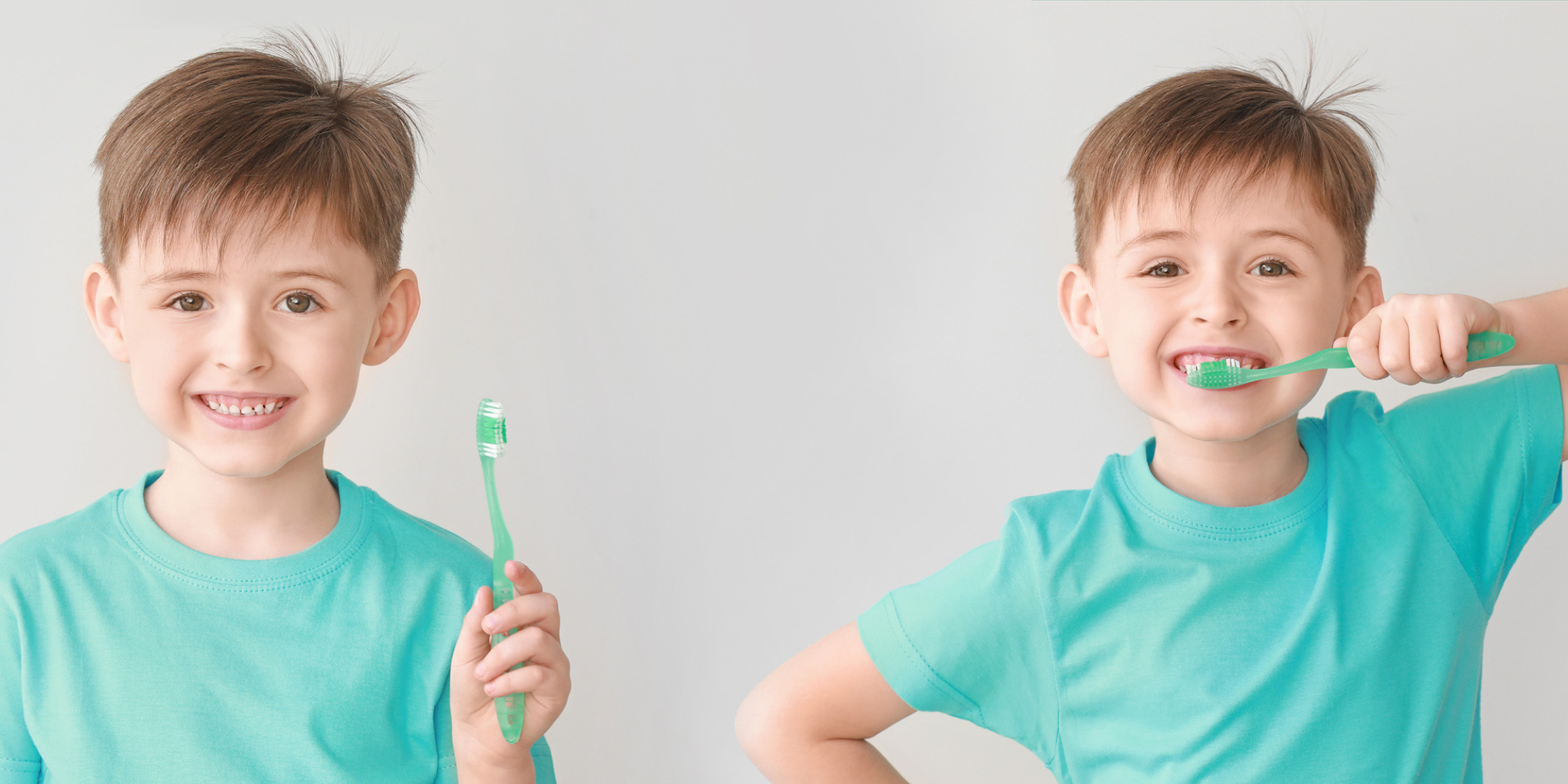
Introduction: Teaching children proper dental brushing and hygiene habits is essential for their overall health and well-being. In this Q&A guide, we will address common questions related to instilling these habits in children. By understanding the importance of dental hygiene and implementing effective strategies, you can help your child develop a lifelong commitment to oral care.
- When should my child start brushing their teeth? Children should start brushing their teeth when their first tooth erupts. Typically, a baby’s teeth begin to come in around six months of age. At this point, you can gently brush their teeth using a baby toothbrush with soft bristles.
- Until what age should my child receive assistance? Children usually don’t develop the dexterity to properly brush their teeth until around the age of 6-7. Therefore, it is recommended that you assist your child in brushing their teeth at least until this age. However, you can make your own assessment considering your child’s development and abilities.
- What type of toothbrush and toothpaste should I use? Choose a toothbrush that is suitable for your child’s age group and tooth size. Opt for brushes with soft bristles and a size that fits comfortably in your child’s mouth. When selecting toothpaste, use a fluoride-containing toothpaste that is appropriate for your child’s age. Fluoride helps strengthen tooth enamel and prevent tooth decay.
- How can I make the toothbrushing routine enjoyable? There are several ways to make toothbrushing enjoyable for your child. For example, you can play their favorite song while they brush their teeth. You can also turn toothbrushing into a game, encouraging your child to use their imagination.
- How often should brushing be done? Children should brush their teeth at least twice a day, once in the morning and once before bed. By establishing this routine, you can help your child develop a consistent brushing habit.
- Should I use mouthwash after brushing? Using mouthwash is not necessary for children. However, if you want to take an additional step to support your child’s oral hygiene, you can use a child-friendly mouthwash. Make sure the product is appropriate for your child’s age group and ensure your child does not swallow the mouthwash.
Conclusion: Teaching children dental brushing and hygiene habits is essential for their long-term health benefits. By emphasizing the importance of maintaining clean teeth and establishing a regular dental brushing routine, you can encourage your child to embrace this habit. Additionally, making toothbrushing fun and interactive can enhance your child’s interest in maintaining good oral hygiene.